IntellectualProperty andTechnology
Protection of trade mark, patent, design and copyright, and legal matters relating to software, e-commerce and the internet.
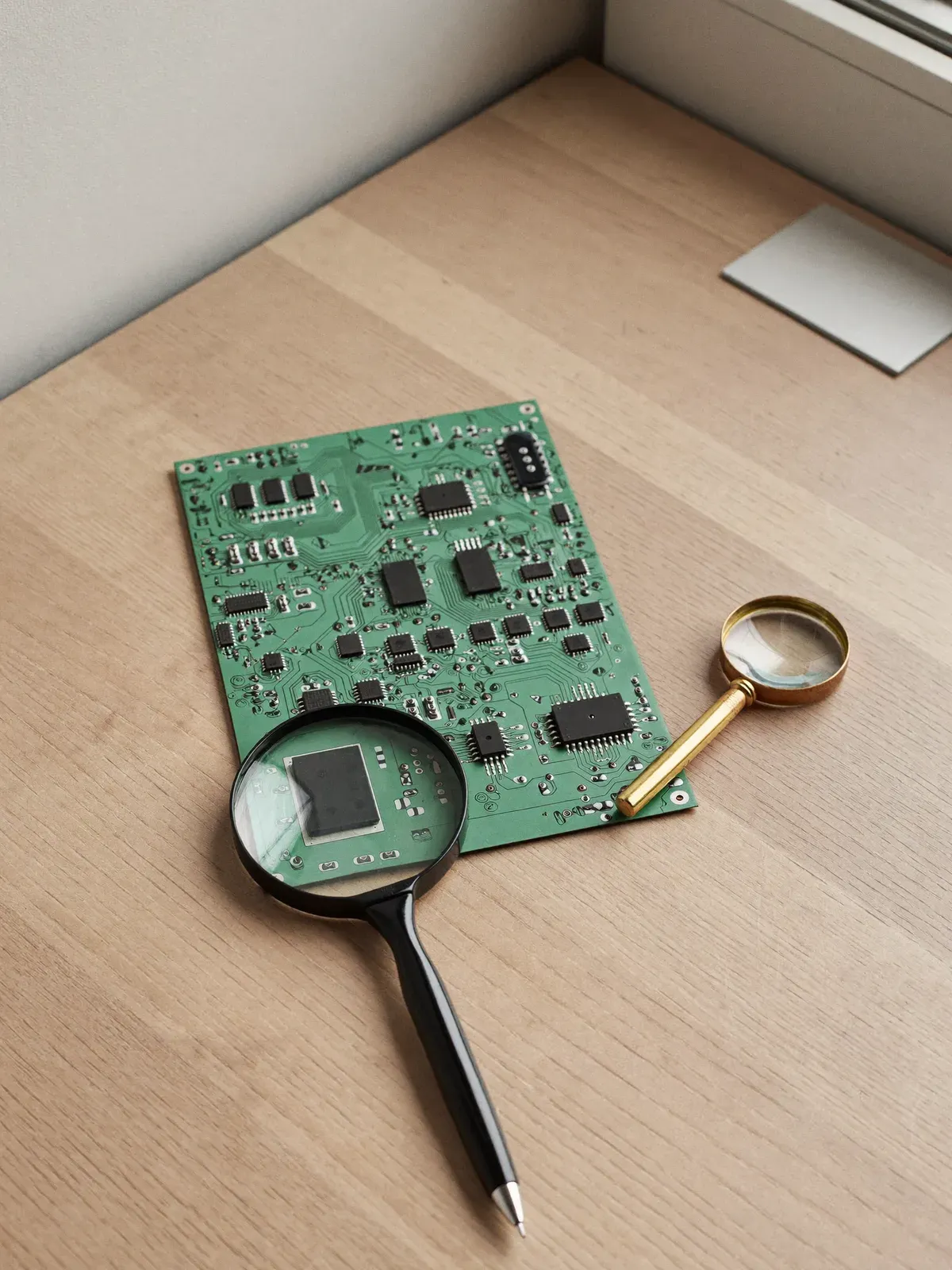
Intellectual property and technology law covers the protection of trade mark, patent, design and copyright, contracts relating to software and digital products, and legal liability in the online environment.

Scope
Intellectual property law is divided into two main groups. Industrial property covers trade marks, patents, utility models, designs and geographical indications, and is subject to Industrial Property Code No. 6769. These rights are registered with the Turkish Patent and Trademark Office (TÜRKPATENT). Copyright, on the other hand, covers scientific and literary works, musical works, works of fine art and cinematographic works, as well as computer programs, and is subject to Law No. 5846 on Intellectual and Artistic Works (FSEK). The technology law dimension includes software and platform agreements, e-commerce and the liability rules for online content.
Industrial property rights arise upon registration; copyright in a work arises automatically upon the creation of the work, although recording and registration may be useful for evidential purposes. As intellectual property rights are protected on a country-by-country basis, international application systems and foreign legislation are also considered for businesses operating in more than one country. For software, designs and inventions developed by employees or external service providers, the ownership of the right depends on the special rules in the law (for employee inventions, Art. 113 et seq. of the Industrial Property Code) and on the contractual provisions.
Frequently encountered matters
- Trade mark, design, patent and utility model application and registration procedures; renewal and assignment.
- Oppositions to trade mark applications, and requests for invalidation and for revocation on grounds of non-use.
- Civil actions and criminal complaints against infringements of trade marks, designs and copyright.
- Licence, assignment, franchise and distribution agreements; the written form requirement for the transfer of economic rights.
- Software development, licence, maintenance and source code escrow agreements.
- Ownership of works and inventions created in the course of employment.
- Trade secrets, confidentiality agreements and non-compete obligations.
- Domain name disputes and unfair competition claims.
- Applications for the removal of infringing content on the internet.
- Obligations of sellers and intermediary service providers on e-commerce platforms.
Process and points to note
The first step is to determine which type of right the asset to be protected falls under. A preliminary search carried out before a trade mark application makes it possible to see the likelihood of a conflict with identical or similar signs. After a trade mark application is published, third parties may file an opposition within two months; the protection period of a registered trade mark is ten years and is renewable. Patent protection lasts twenty years from the filing date, and utility model protection ten years. Copyright protection, as a rule, continues for the lifetime of the author and for seventy years after the author’s death.
In the event of infringement, timely collection of evidence is important. Sending a formal notice, preservation of evidence (Art. 400 of the Code of Civil Procedure), interim injunction (Art. 389 et seq. of the Code of Civil Procedure) and litigation are each assessed separately. Actions concerning intellectual and industrial property rights are, as a rule, heard by specialised courts; where there is no specialised court, the civil courts of first instance designated by the Council of Judges and Prosecutors (HSK) hear these actions. Whether the provisions on mandatory pre-litigation mediation apply to certain actions concerning monetary claims or compensation is assessed separately in each case.
For applications concerning online content, the content removal and access blocking provisions of Law No. 5651 and, for content containing personal data, Law No. 6698 may come into play together.
Our office’s approach
In intellectual property matters, application and opposition procedures, licence and software agreements, and, in cases of infringement, formal notices and preparation for litigation are handled on the basis of documents. Registration certificates, contracts and use records evidencing ownership of the right are gathered at the outset.